Synesthesiology
About the installation
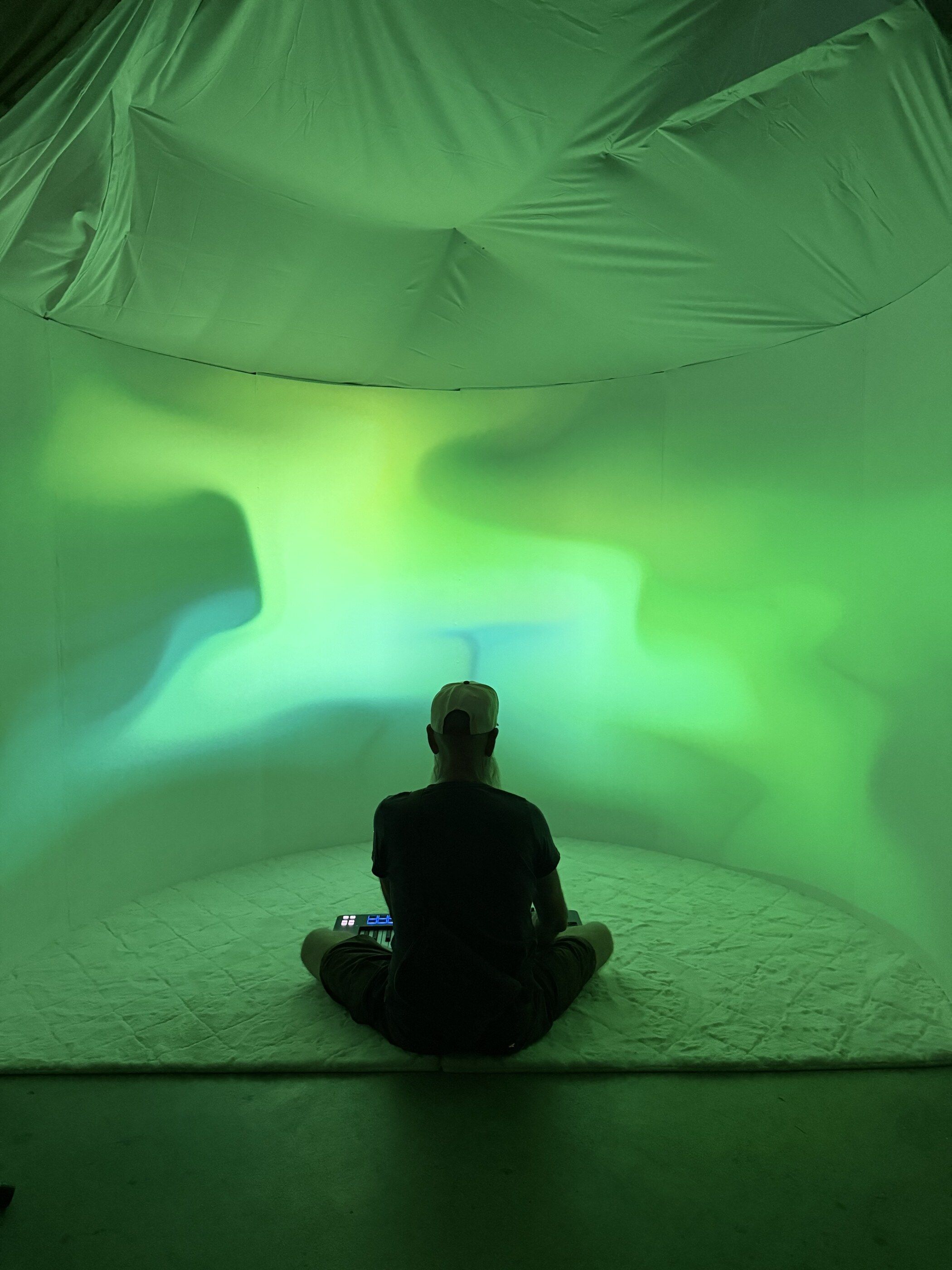
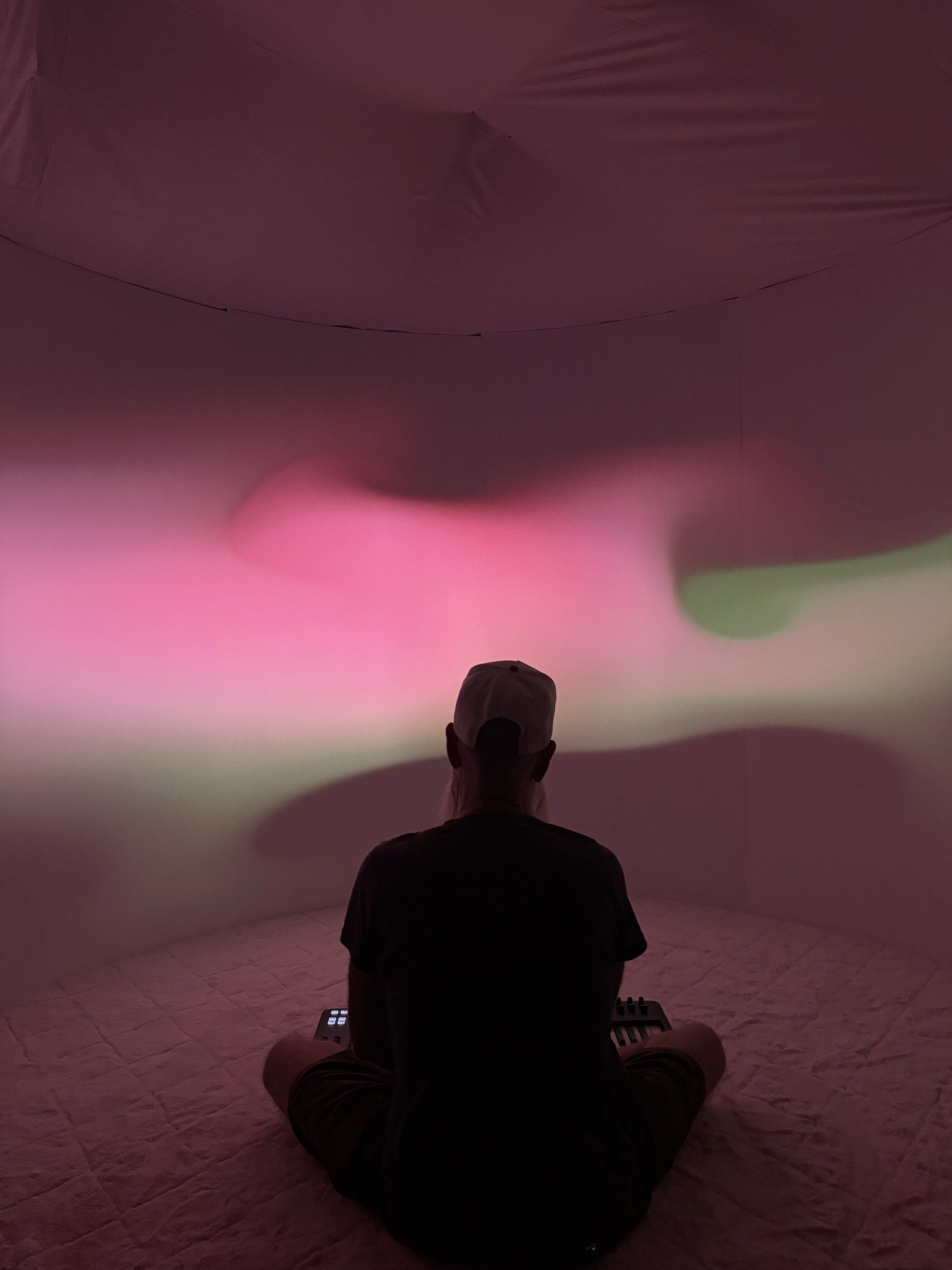
Synesthesiology is an immersive installation which expands your perception and understanding of the senses by simulating what it’s like to have Chromesthesia - a neurological condition where hearing a sound involuntarily triggers an experience of seeing colors, shapes or movements.
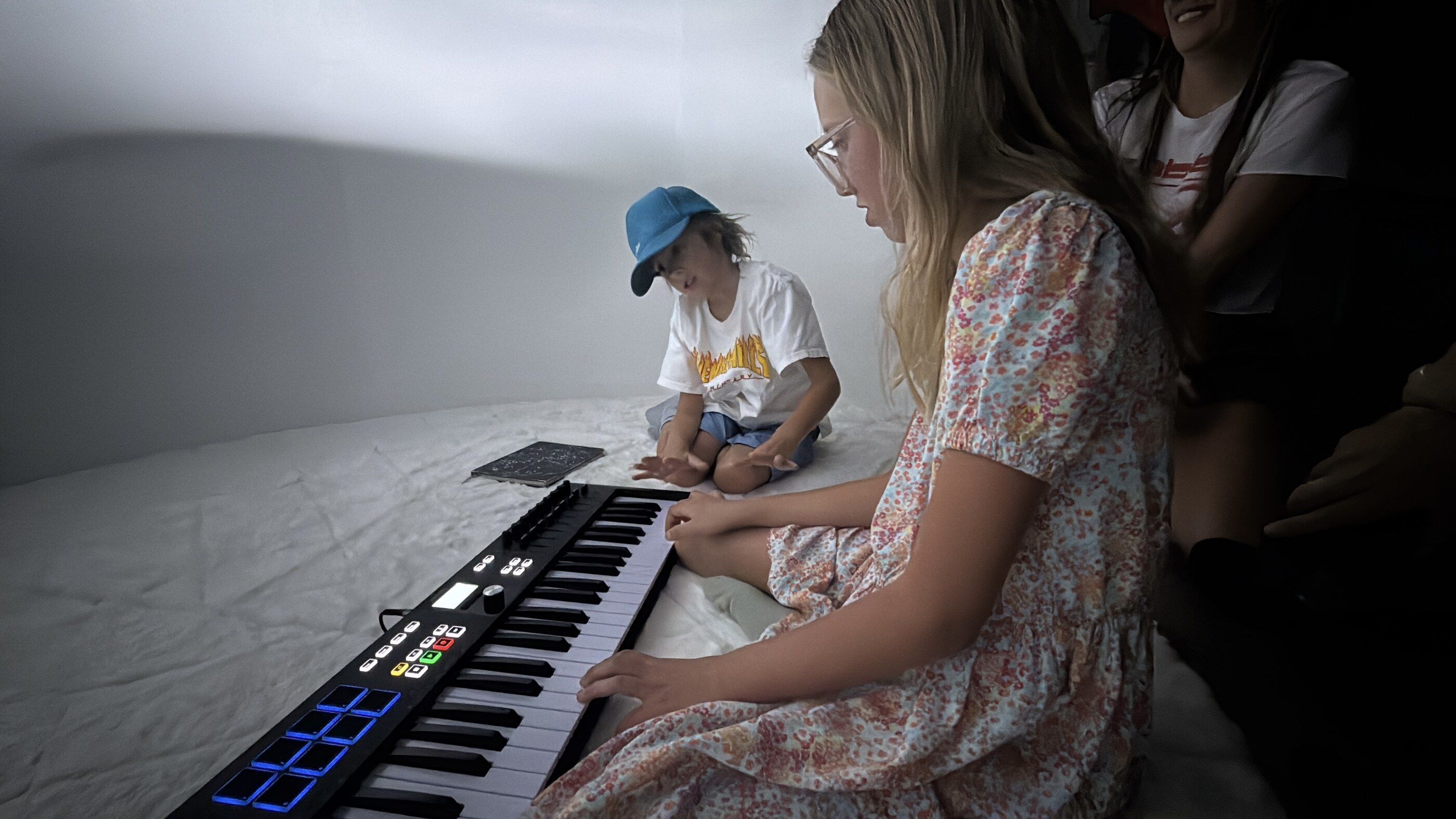
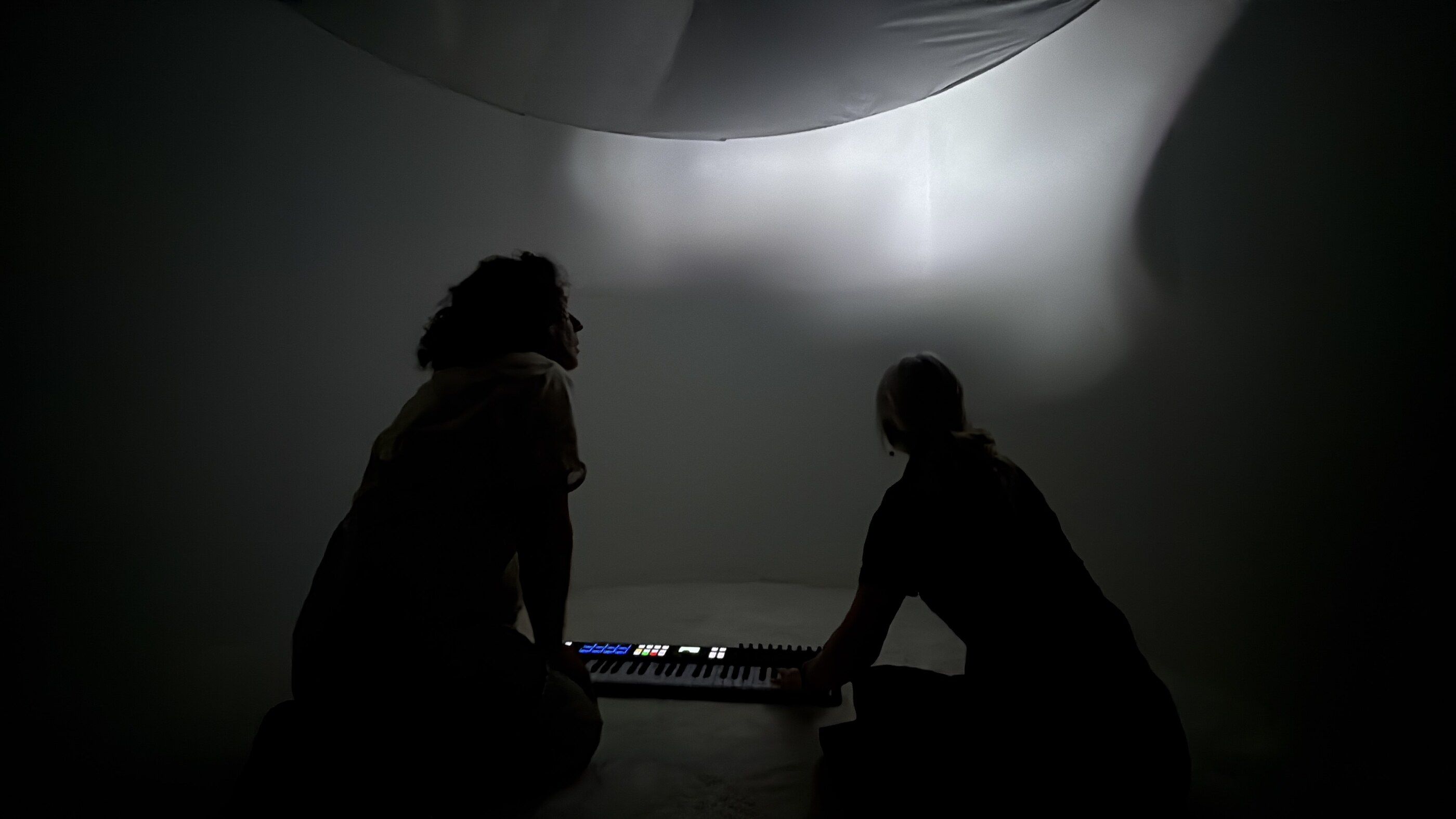
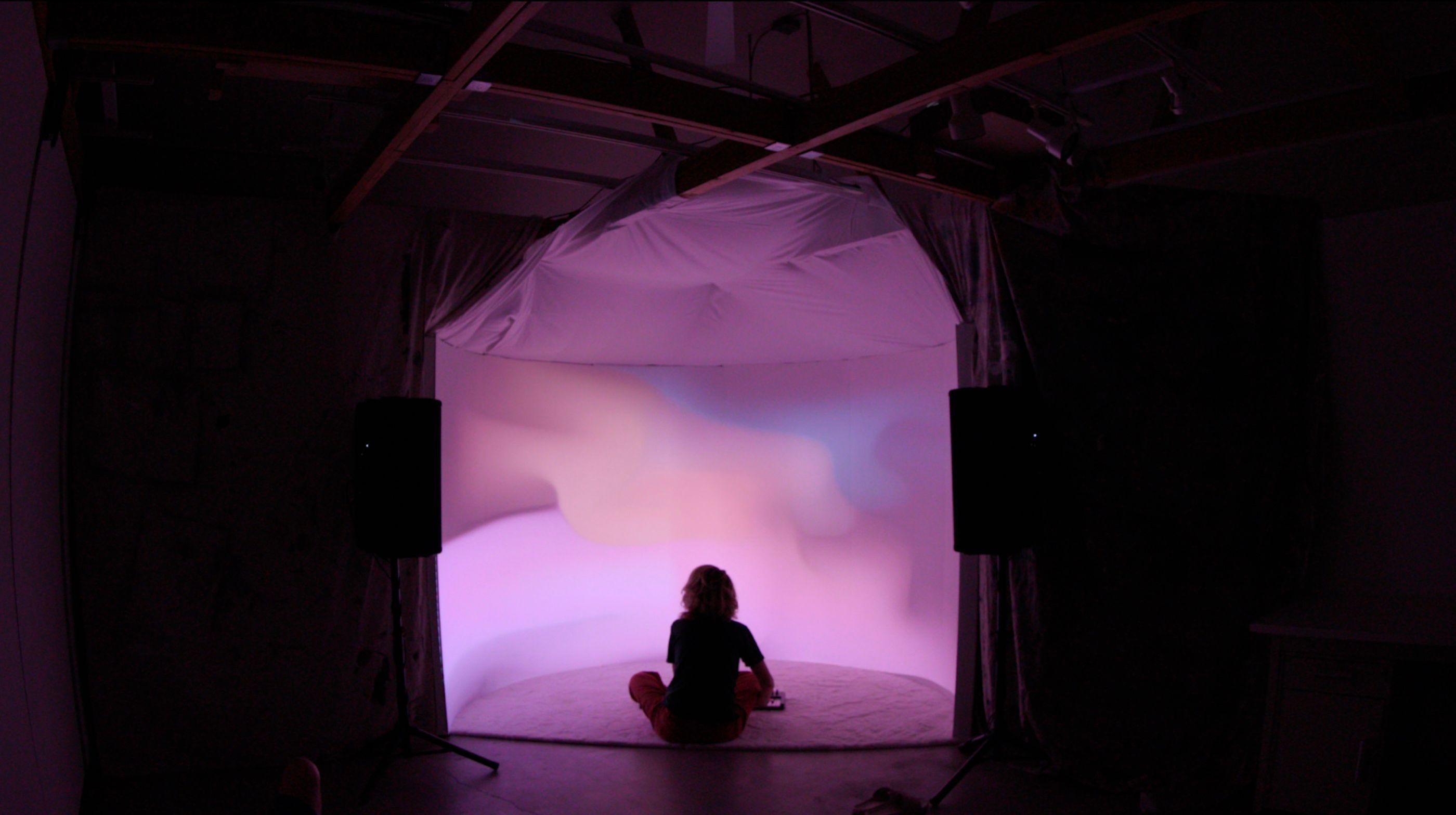
Images of the experience
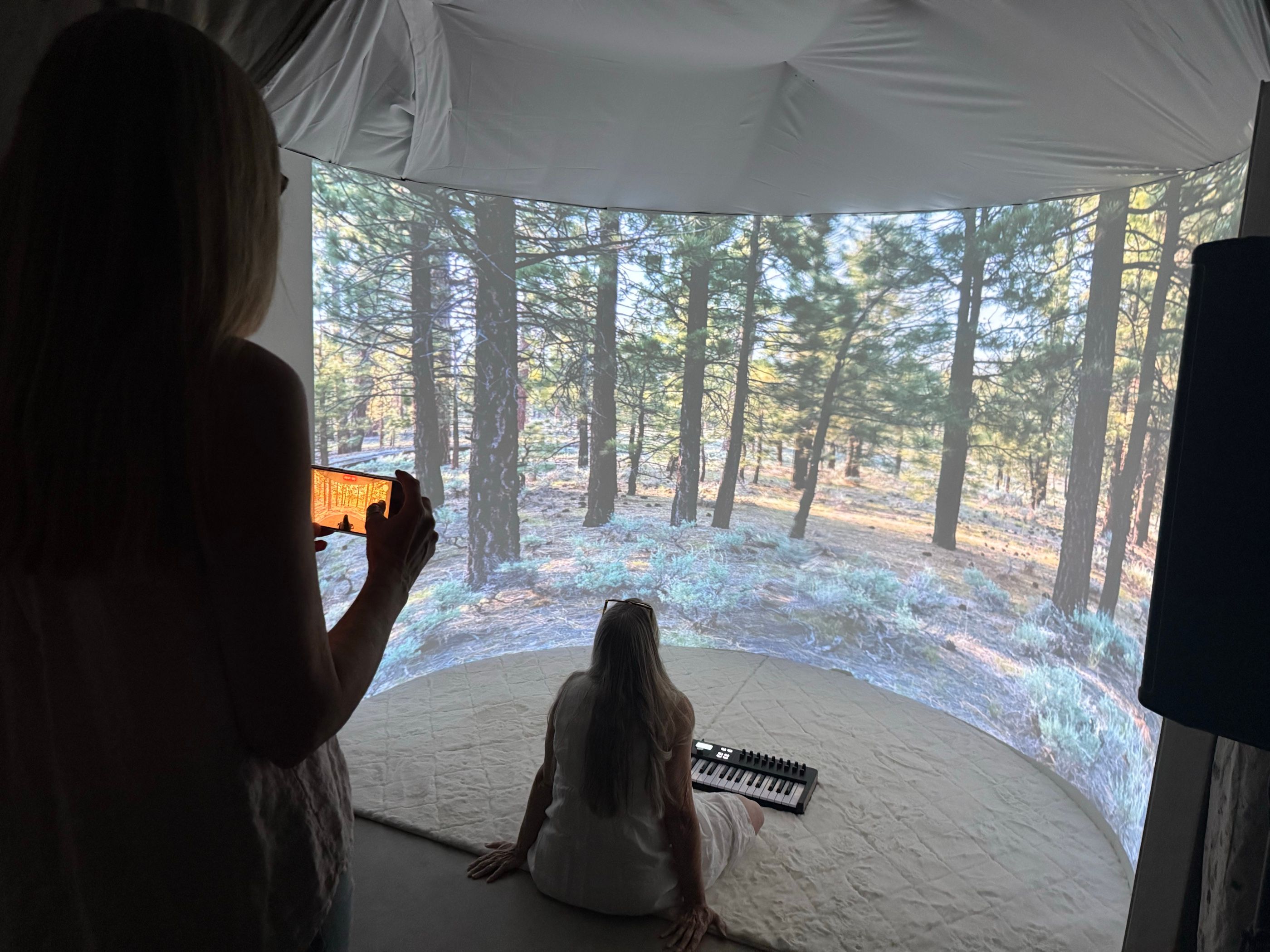
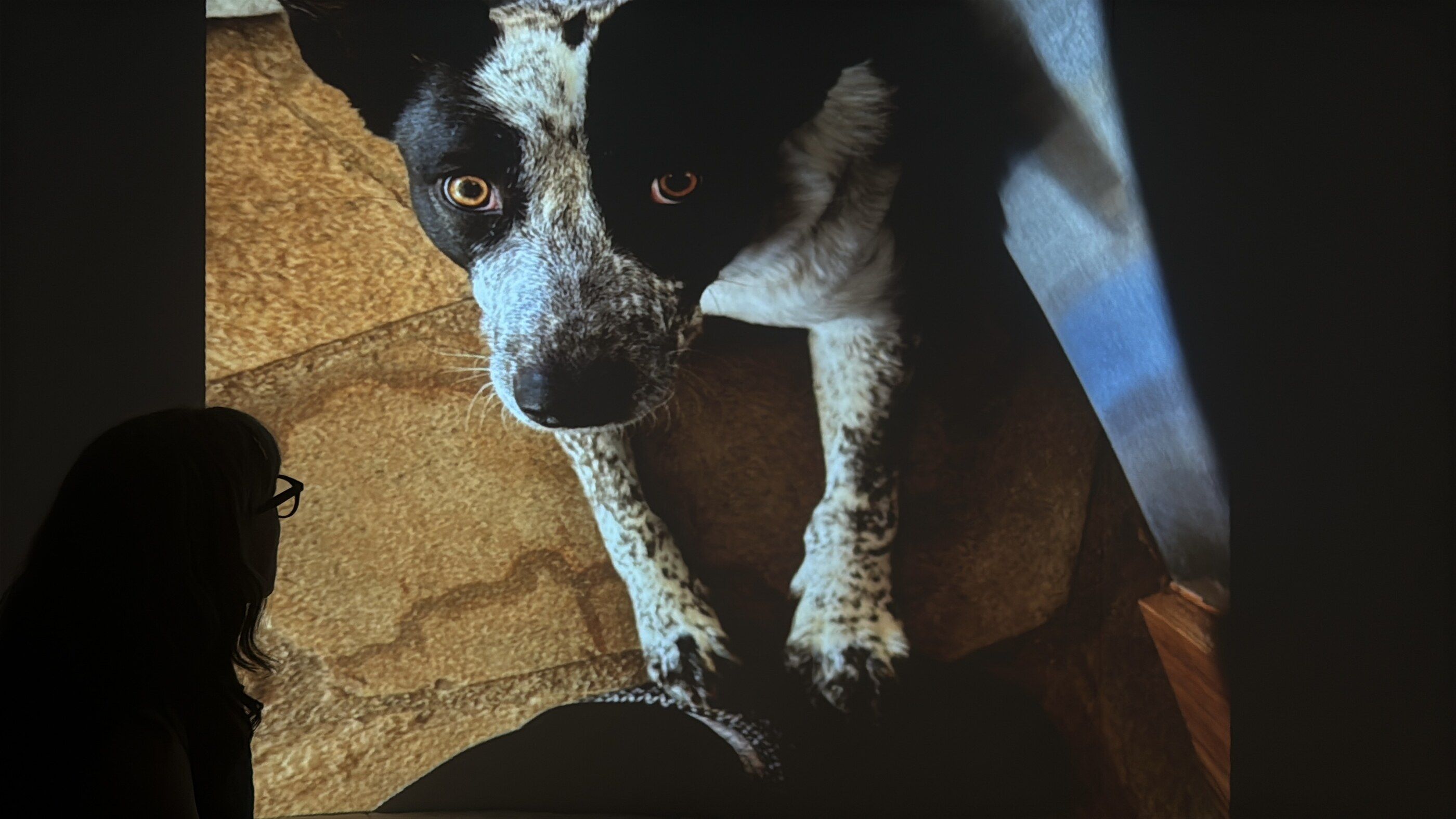
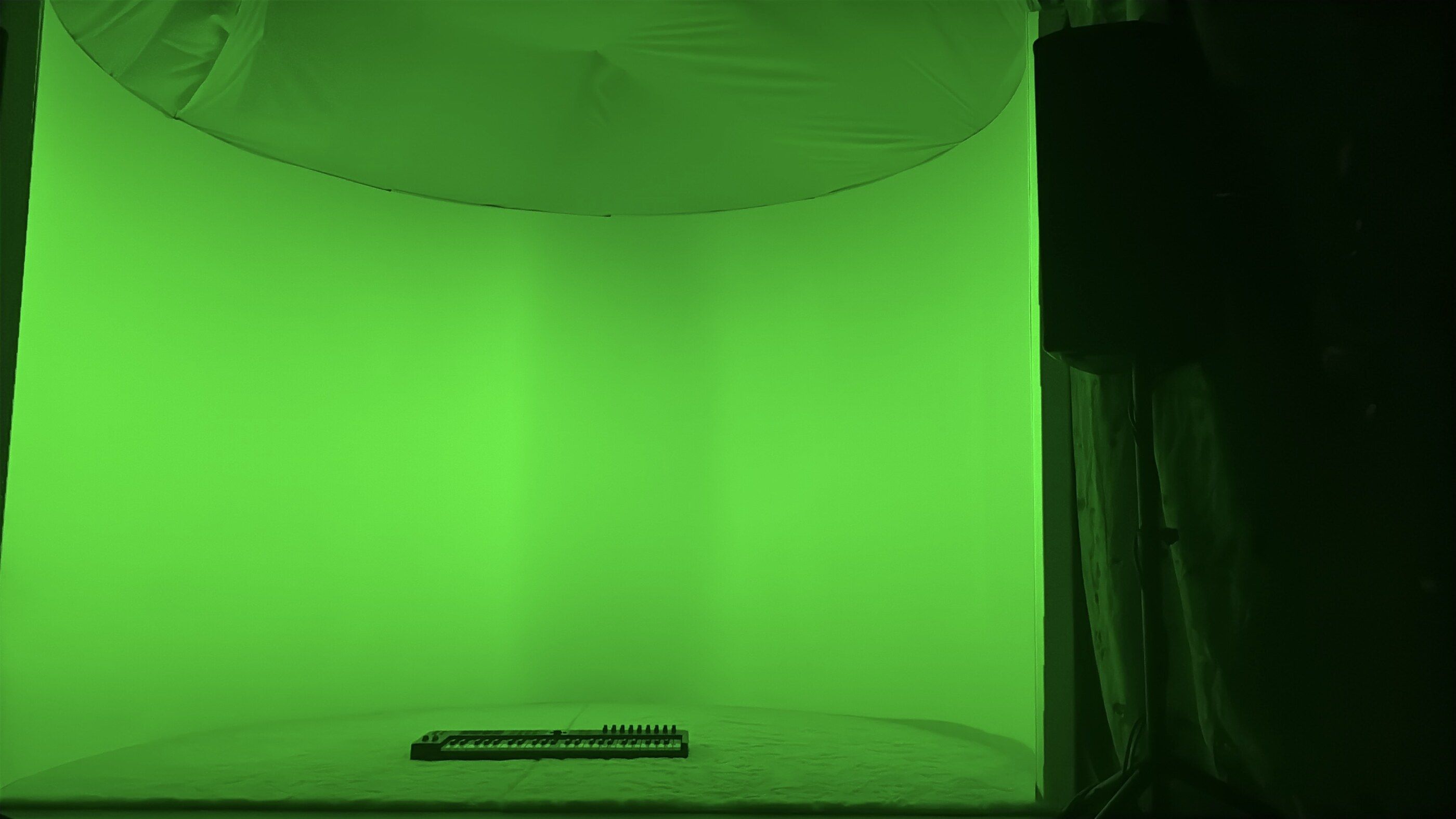
Next
October 7-9,Joshua Tree Music Festival
Who made it
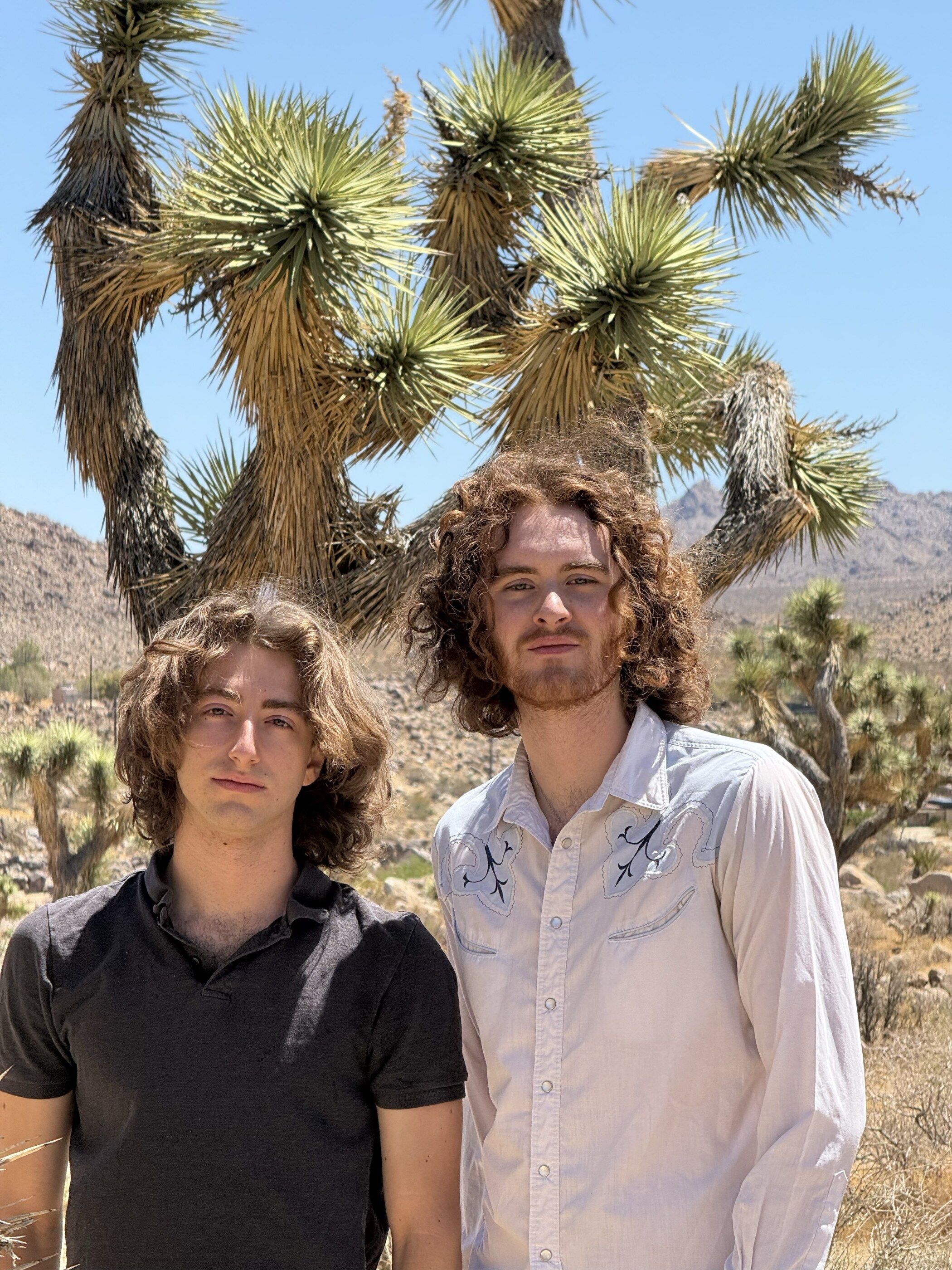
Joaquim Timoner
Founder
Joaquim Timoner is a musician and multimedia artist from Los Angeles, California. Growing up the son of two filmmakers, Timoner’s work often marries music and visual mediums to capitalize on the synergistic strength that only multi-sensory media provides. Timoner studied music and art history at Oberlin College, where he became enthralled by the fine art world from a new perspective, that of the institution or curator. He would work for Shepard Fairey in both studio and gallery settings before graduating and moving back to California to pursue music, film, and conceptual art.
Elijah Morton
Programmer
It was at Oberlin that Timoner would meet Elijah Morton, a fellow artist with a similar passion for film and music. From New York City, Elijah Morton is a musician, filmmaker and programmer. His visual art has previously explored cinematography and website design, always heavily integrated with music, always aiming to provoke wonder; he’s excited to apply this visual expertise to a fully immersive, tactile experience.
Timoner and Morton have been close creative collaborators since meeting at Oberlin, and having already worked and lived together outside of school to pursue their musical project “Misfit Love,” when Timoner asked Morton to partner with him on Synesthesiology, he came.
THE EXPERIENCE
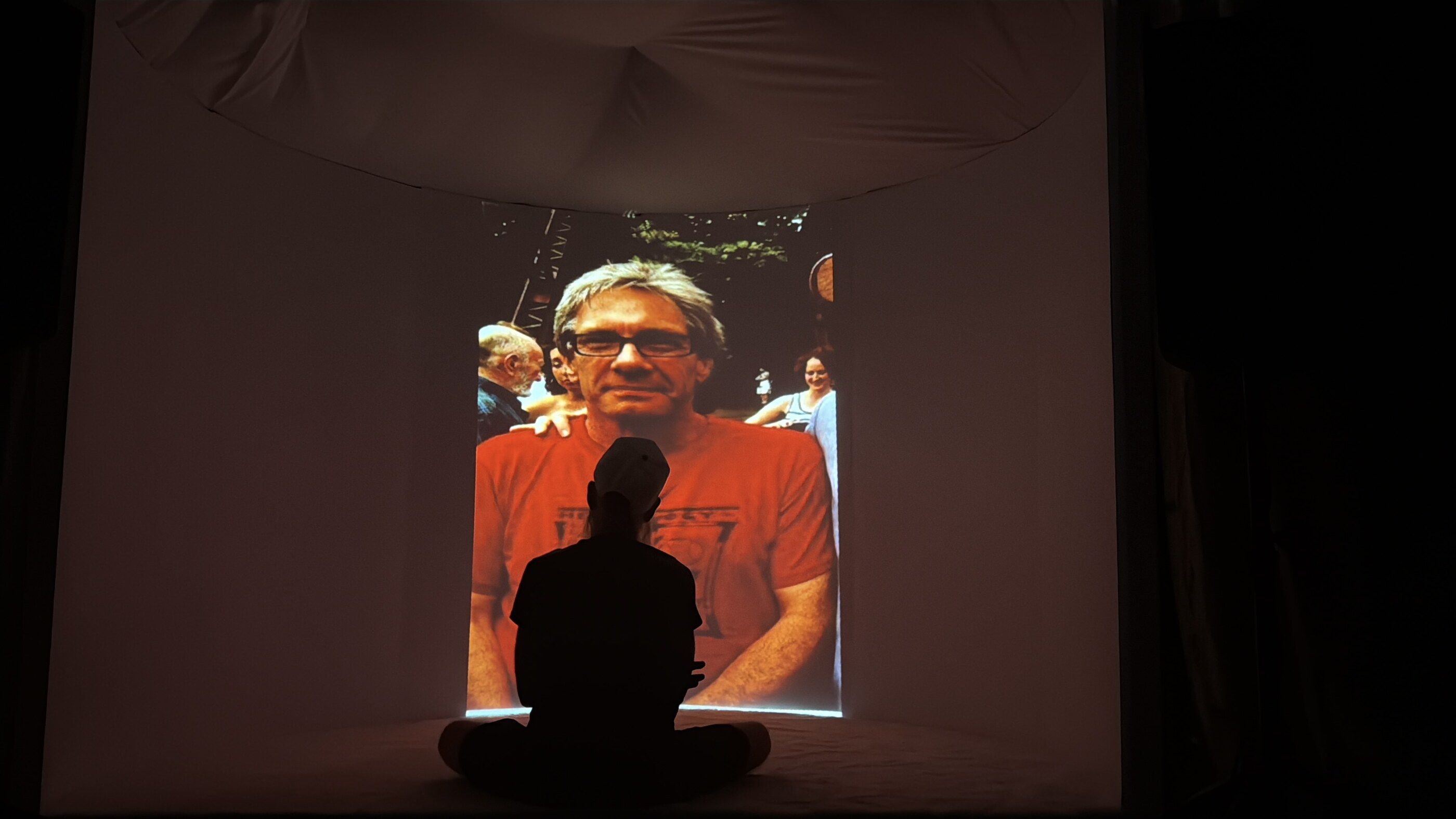
By answering a few short questions and uploading an image of emotional relevance, Synesthesiology allows you to seamlessly experience a world in which color and sound are one.
FAQ
What is synesthesia?
Synesthesia is a perceptual condition affecting approximately 4% of the global population in which stimulating one sense triggers an experience in an unrelated sense. Chromesthesia is a variant of synesthesia in which hearing a sound triggers a visual response.
What inspired this project?
Synesthesiology’s founder, Joaquim Timoner, had the idea for the project in January of 2025. As a musician with two filmmakers for parents, Joaquim’s creative life has always existed between visual and musical artistic worlds. This multimedia approach to artistic creation quickly led to a fascination with Synesthesia, and more specifically, Chromesthesia. The concept of having no perceptual separation between optic and auditory stimulus was spellbinding - and begged the question:
“How could my perceptual understanding of the world be expanded, as a neurotypical, or at least, synesthetically typical person, if I could enter an environment which simulates the experience of a chromo-synesthetic person?”
Synesthesiology was created to answer that question.
I would like to experience Synesthesiology, how can I do that?
Synesthesiology is in Joshua Tree Music Festival from October 7-9. If you’d like to book the exhibit, please email us at synesthesiology.art@gmail.com.
How does the algorithm work?
Based on our conversations with synesthetes - though every person’s experience is different - there are a few commonalities: notes generally stay the same hue, regardless of octave. Brightness and saturation are controlled by pitch (a low note has low saturation and low brightness, a high note has low saturation and high brightness). Many notes can get muddy or overwhelming, which is why we constructed the algorithm to be additive; in other words, colors sum to an overwhelming bright white.
We stray from people’s experiences only to increase immersion. Our interviewees described velocity and loudness having little effect on color, but that feels worse to a user, so we mapped it to how far the color spreads out on the screen.
As for the image-to-sound component, the biggest problem is how to map the sonic dimension of time. We analyze your photo to create a depth map, and then play the farthest parts first, leaving the subject for an often-dramatic reveal at the end. Depth is mapped to time. We analyze chunks of the image for their most dominant color, and that determines what note we play. We wanted to coerce the sound into scales, so the primary color of the whole image determines the root of the scale, and the secondary color of the image determines the mode. Rhythm is derived from texture, or the busyness of colors in a chunk.
Are color and sound naturally related?
Color and sound both exist on a spectrum of wavelengths. Audible sounds are waves of pressure that push air in the 20-20,000Hz range. The visual spectrum of light is the small range of electromagnetic radiation that the human eye can see, about 380-700 nanometers.